
Agate
Agate is a form of finely-grained, microcrystalline Quartz. The variety of colours and banding patterns make this translucent gemstone unusual and unique. Agates can have many distinctive styles and patterns, but each Agate is unique, with no two Agates being the same.
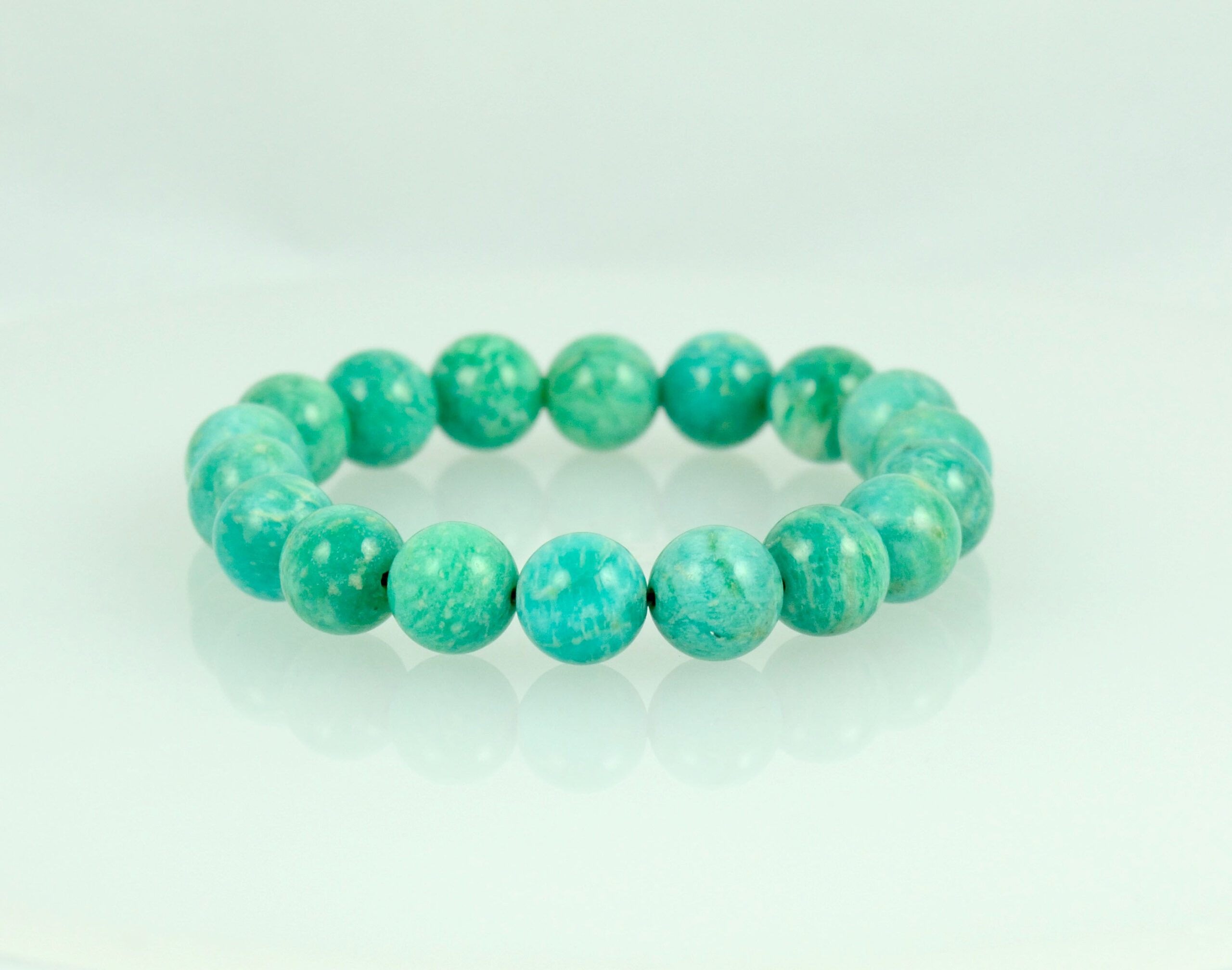
Amazonite
You’ll never be without good luck on your side when you’ve got an Amazonite crystal with you. Amazonite is a silicate crystal which is usually blue-green, although there are varieties that are deep green, yellow green, or turquoise blue. It can come as rough granite rocks or a polished and prepared stone.

Amethyst
Amethyst is a well-known mineral and gemstone. It is the purple variety of the mineral Quartz, and it is the most valuable and sought after gemstone used for jewellery. The name Amethyst derives from the Greek "amethystos", which means "not drunken", as Amethyst used to be thought to ward off drunkenness rather dubious and doubtful benefit but nice idea.

Azurite
Azurite is a soft copper mineral that is made by the weathering of copper ore deposits. This creates a beautiful deep blue stone. The most well-known areas for producing azurite are Namibia, Egypt, Arizona and Chessy-les-Mines near Lyon in France. In fact, azurite used to be commonly called 'chessylite' because so many stones were found in the area.

Garnet
Garnet is a gemstone like no other. When you need to call down passion and fire, you should have this stone with you. Garnet is most known for being a vibrant red but it can also be found in shades of orange, yellow, green, blue, purple, pink, brown and completely colourless. The stones are mainly mined in countries such as Australia, India, the Czech Republic, Brazil and Sri Lanka.

Jade
If your mind keeps turning to thoughts of jade, it might mean that you need a spiritual pick- me-up. Try incorporating jade into your life to discover a font of wisdom that you never knew you had. Jade is most known for being a vivid green, but it can appear naturally in yellow, white, pink, lavender, orange and brown. Nearly 70% of the world's supply of jade comes from Myanmar, but it is also found in China, Canada, New Zealand and Guatemala.
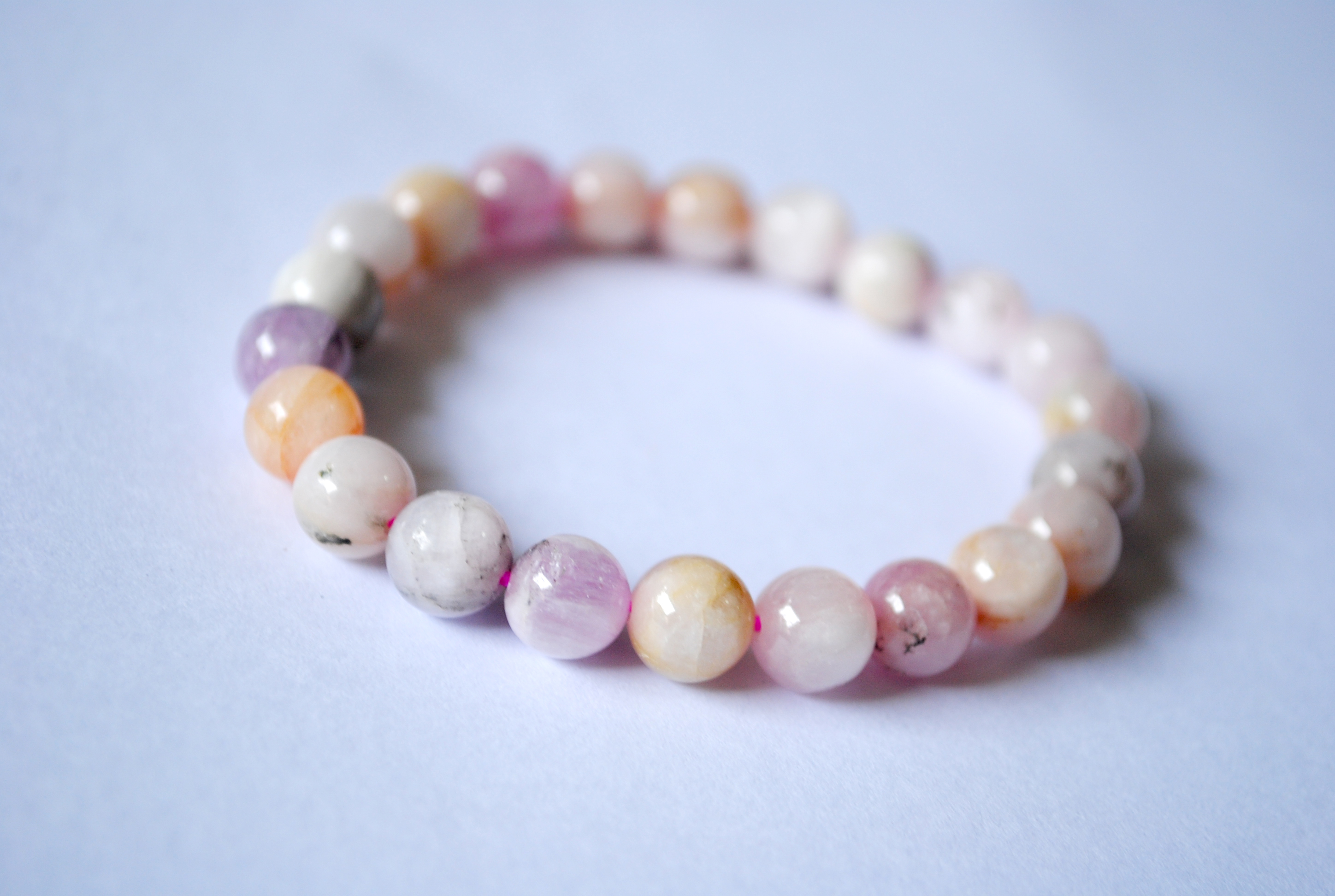
Kunzite
Kunzite was first identified in the early-20th century (1902) by an American mineralogist George Frederick Kunz (1856-1932), who worked with Tiffany & Co. He realised it was a unique example of spodumene that incorporated manganese, which contributes to the attractive shades of pink to lilac. It is also has pleochroism aspects, which means that at different aspects it can display various colours.
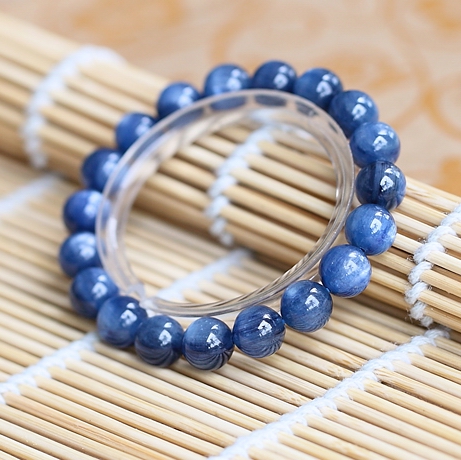
Kyanite
Kyanite might be small but it sure does pack a powerful punch. The gemstone, very hard and brittle, is most commonly found in the United States, Switzerland, Italy, Brazil, Austria, India and Tanzania. The stone is most likely to be blue, streaked with black, green, purple, or white, but there have been other varieties found in shades of yellow, pink, grey, white, and orange.

Magnetite
When you work with the vibrations of magnetite, there's nothing you can't do! Magnetite, also known as lodestone or magnetic hematite, is one of very few gemstones that is magnetic. The stone is black-grey in colour, but can also be grey or silver grey.
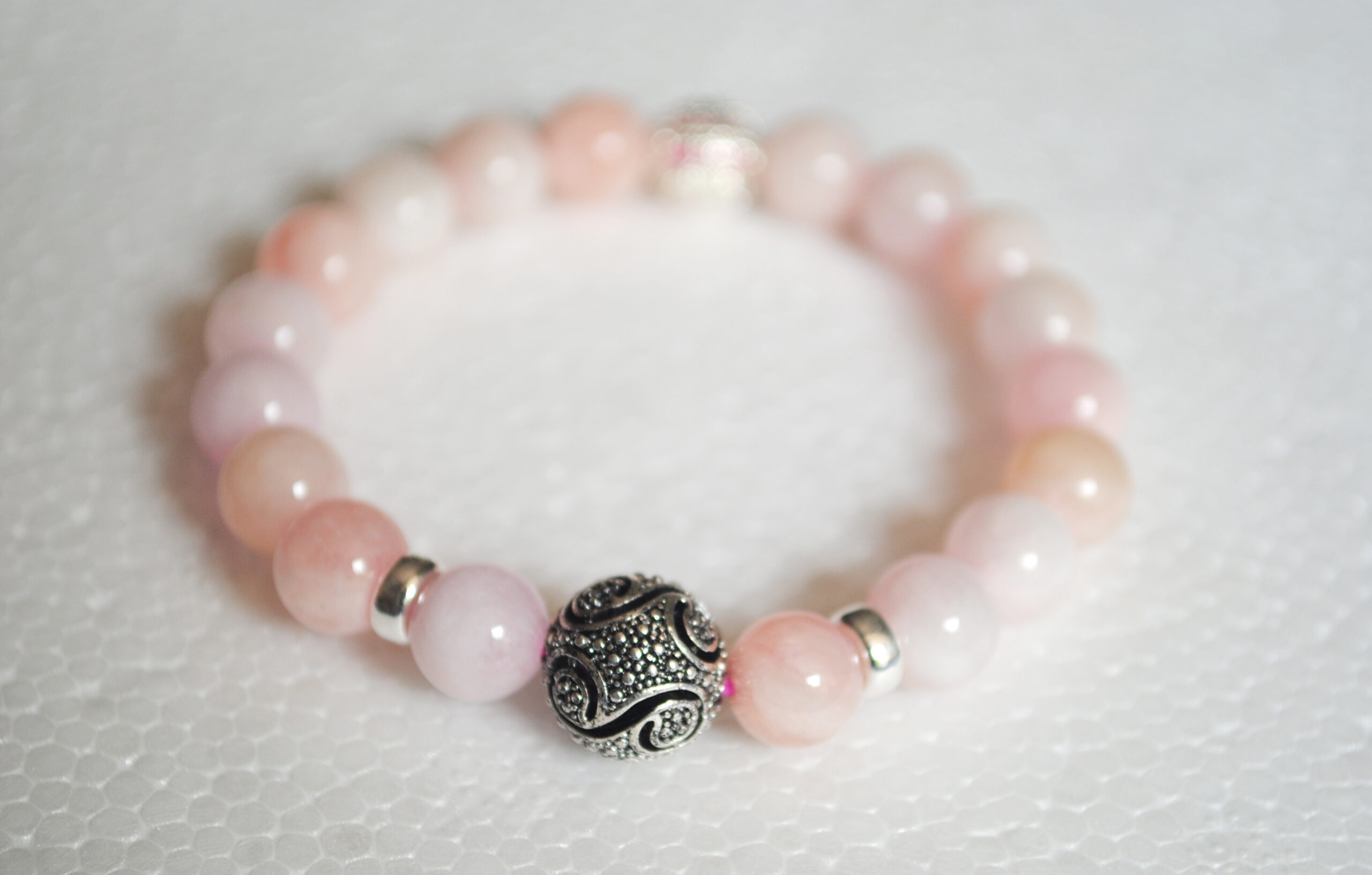
Morganite
George F. Kunz, the gemologist at Tiffany & Co, renamed the stone after the gem collector JP Morgan. The colour is caused by the presence of manganese in the stone and comes with a high degree of brilliance. It is a popular favourite among jewellers as a beautiful alternative for diamonds.
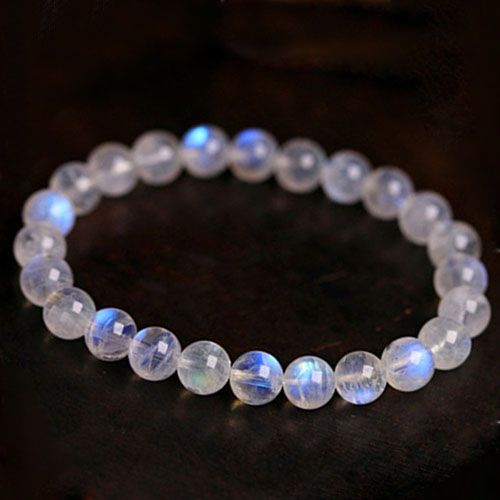
Moonstone
Moonstone is a feldspar mineral. It has a soft watery opaqueness and a silvery white reflection called a chatoyancy that moves across the surface. It is called moonstone because it has a similar appearance to the moon, and it is said to replicate the ebbing and flowing of the moons power.

Pietersite
Pietersite is also known as the Tempest Stone, and is a rare and powerful stone of the chalcedony family. It has lightening streaks of golden colour flashes against brown, grey, red and blues to dark blue-black, which combined bring to mind the swirling energy of an electrical storm. It is known as the Tempest Stone because of the energy contained within it and how it can bring about beneficial physical and spiritual changes to the wearer, just like the calm after the storm.

Rhodochrosite
The name Rhodochrosite means rose-coloured thanks to its shades that range from pink to red. But it is also known as "Raspberry spar" and "Inca rose". It is found in many countries around the world including Romania, Argentina, where it is the national gemstone, and in Peru, with legends that date back to the Incas. It is also found in China, South Africa, Canada and the USA.
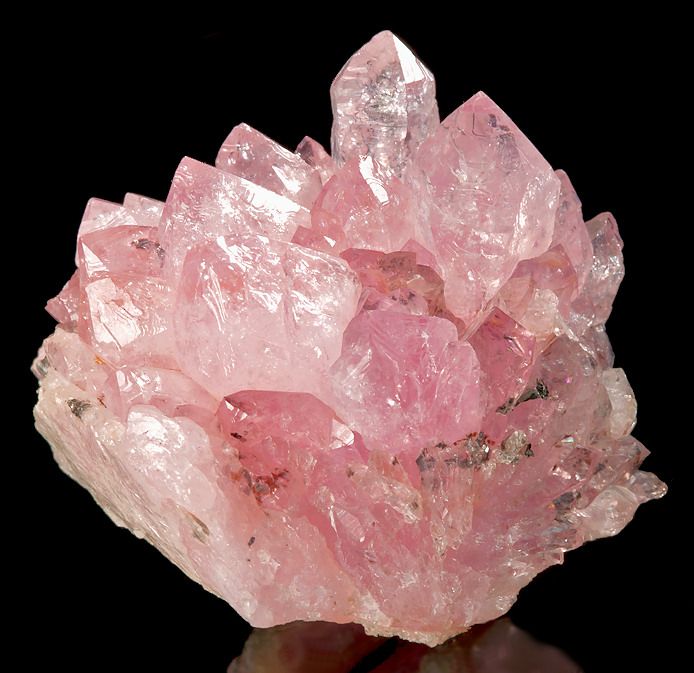
Rose Quartz
Rose quartz is the ultimate stone for bringing love into your life and opening your heart. Whether you are looking for a new romance, an increase in your social circle or you need to learn to love yourself more, this stone is said to be able to help you.
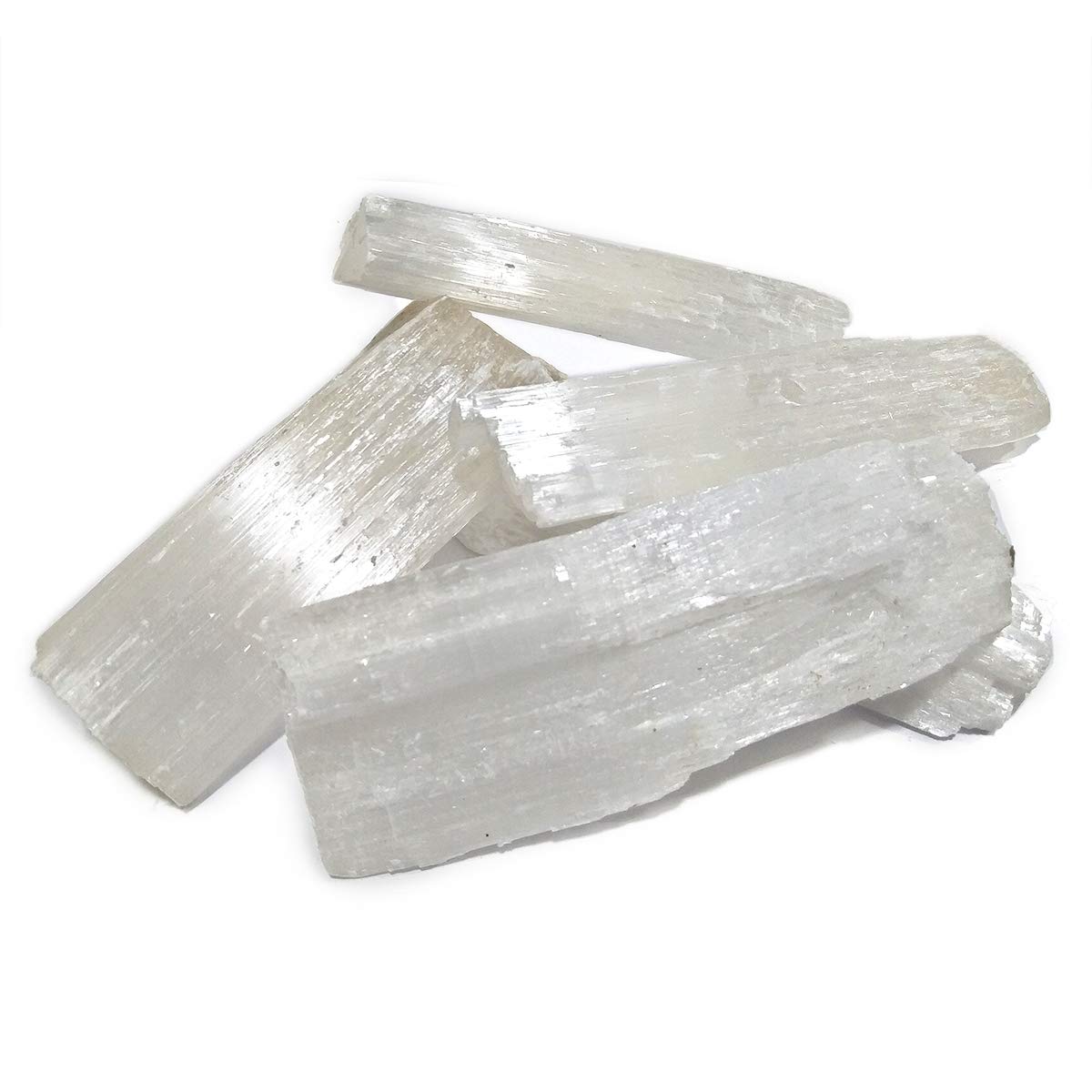
Selenite
Lorem ipsum dolor sit amet, consectetur adipiscing elit. Ut elit tellus, luctus nec ullamcorper mattis, pulvinar dapibus leo.

Tanzanite
Lorem ipsum dolor sit amet, consectetur adipiscing elit. Ut elit tellus, luctus nec ullamcorper mattis, pulvinar dapibus leo

Tiger Eye
The name Tigers Eye relates to the resemblance this gemstone has to a tigers or cat's eye. It has rich hues of toffee and chocolate to red-brown, with golden bands of yellow. This stone, which glimmers with a rich silky lustre, is found in many parts of the world including Australia, Southern Africa, the USA and Canada, Burma, India and Spain, and measures 5.5.6 on the Mohs Scale.
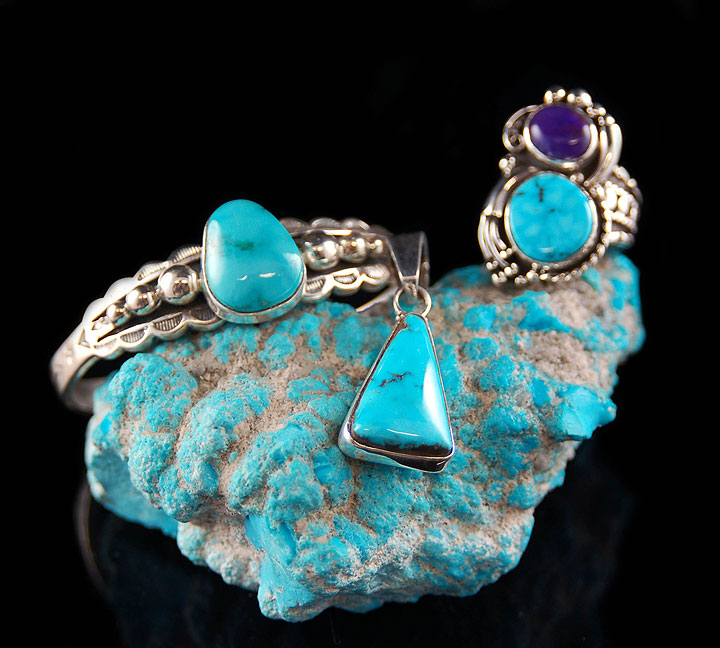
Turquoise
Turquoise is known for the beautiful blue-green colour of the stone, although the colour can be very different depending on the mineral properties that make it. There are turquoise stones that range in colour from white, powder blue, to yellowish green. The stone is naturally found in Iran, China, Australia, India, Afghanistan and Egypt, although most modern turquoise stones are found in the Southwest United States, including Arizona, New Mexico and Nevada.

Variscite
Variscite is a hydrated aluminium phosphate mineral which is rather rare. It is sometimes mistaken for turquoise, but it is usually greener in colour. It polishes to produce a smooth texture which can be used in gemstones and jewellery.